
What to Do If Your Roof Starts Leaking: Step-by-Step for Homeowners
%20copy.png/v1/fill/w_320,h_320/file.jpg)
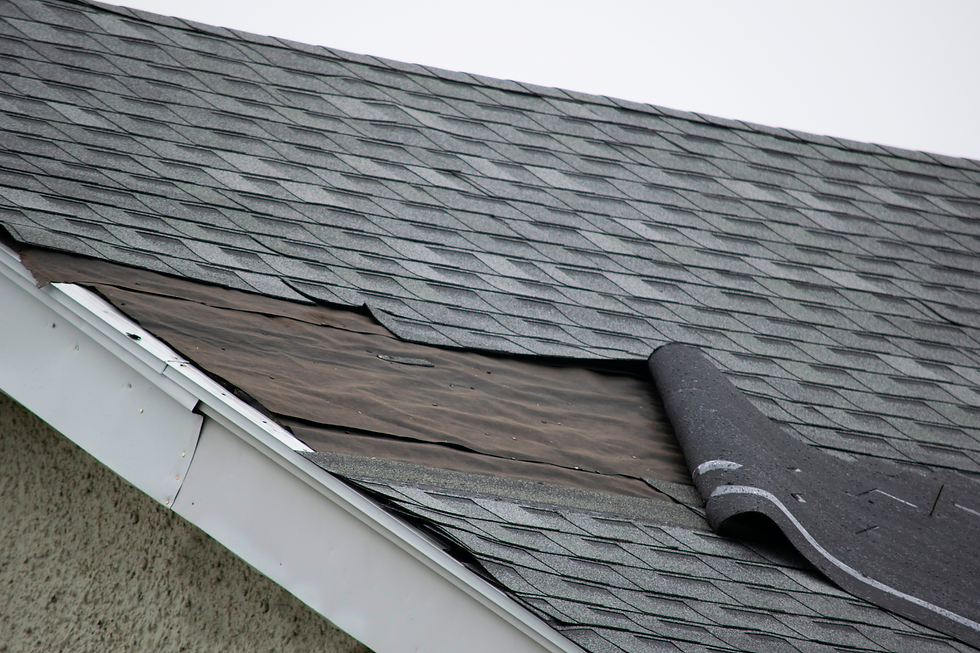
A leaking roof is one of the most stressful issues a homeowner can face—especially during a Texas storm. Once water begins entering your home, it can spread quickly, damaging ceilings, walls, insulation, flooring, and even electrical systems. The good news is that taking the right steps immediately can dramatically reduce the amount of damage. This guide explains exactly what to do the moment you notice a roof leak, how to protect your home, and when to call a roofing professional.
Why Roof Leaks Happen in Texas
Texas roofs endure extreme weather that accelerates wear and tear. Leaks can happen suddenly, even on newer roofs, due to:
Heavy Rainstorms
Intense downpours expose weak spots in shingles, flashing, or underlayment.
Hail Damage
Bruised or cracked shingles may not leak right away but will eventually allow water inside.
High Winds
Wind can lift shingles or break their seal, leaving gaps for water to enter.
Aging Roofing Materials
Older roofs are prone to cracking, curling, and losing granules, making leaks more likely.
Poor Installation
If the roof wasn't installed correctly, even a small storm can cause a leak.
Clogged Gutters
Water backs up and seeps under shingles when gutters overflow.
Because Texas weather is unpredictable, preventing and addressing leaks quickly is essential.
Immediate Actions to Take When Your Roof Begins Leaking
The first few minutes after discovering a leak are crucial. Here’s what to do right away.
Step 1: Protect Your Interiors from Water Damage
Move furniture, electronics, and valuables away from the leak immediately.
Place the following under the leaking area:
A bucket or large container
Towels or thick blankets
A plastic sheet to protect flooring
If the ceiling is bulging, water is pooling above it. Use a small screwdriver to gently puncture a hole in the bulge to drain the water safely into a bucket. This prevents a ceiling collapse.
Step 2: Contain the Leak as Much as Possible
If water is spreading, try to direct it into one controlled area:
Use containers of different sizes
Rotate buckets as they fill
Place towels around the edges
Stopping the spread will reduce cleanup and drywall repairs.
Step 3: Turn Off Electricity in the Affected Area
If water is dripping near electrical outlets, light fixtures, or appliances, turn off the power to that part of the home.
This is a crucial safety step many homeowners overlook.
Step 4: Locate the Source of the Leak (If Safe)
You don’t need to climb onto the roof. Check these areas inside your home instead:
• Attic
Grab a flashlight and look for:
Wet insulation
Water drips
Darkened wood
Daylight shining through cracks
• Ceilings
Water stains or bubbling paint indicate moisture spreading.
• Walls
Leaks often run down walls before appearing at the ceiling.
If the leak is active during a storm, the source is likely on the roof above that area.
Step 5: Document Everything
Take detailed photos and videos of:
The leak
Water damage
Any visible roof issues
Affected furniture or flooring
This documentation is extremely helpful for insurance claims and repair assessments.
Step 6: Call a Professional Roofer for Emergency Service
A roof leak is not something to wait on. The longer water enters, the more damage it causes.
A roofing professional will:
Locate the exact source of the leak
Install temporary protection
Prevent further water intrusion
Assess whether repairs or replacement are needed
If the leak was caused by a storm, a roofer can also help identify whether the damage may be covered by insurance.
What NOT to Do When Your Roof Is Leaking
Don’t climb on the roof.
Wet shingles are slippery and extremely dangerous.
Don’t try to seal the leak yourself in the rain.
It’s unsafe and temporary DIY fixes often make things worse.
Don’t ignore small leaks.
Even slow drips can cause structural damage over time.
Don’t assume you need a full replacement.
Many leaks can be repaired cost-effectively when caught early.
Most Common Causes of Roof Leaks in Rowlett Homes
Understanding what causes leaks can help you spot issues early.
1. Missing or Damaged Shingles
Wind or hail can tear shingles off or crack them, exposing underlayment and decking.
2. Cracked or Worn Flashing
Flashing seals vulnerable areas like chimneys, vents, and skylights. Damaged flashing is one of the top causes of leaks.
3. Clogged Gutters
Overflowing gutters push water back onto the roof, where it can seep under shingles and cause leaks.
4. Roof Vent Problems
Loose seals or cracked vent pipes allow rain to enter the attic.
5. Valley Damage
Water collects in roof valleys, so damage in these areas often leads to leaks quickly.
6. Hail Bruising
Hail impacts may look harmless but weaken protective granules, eventually allowing water to penetrate.
When to Call Your Insurance Company for a Leaking Roof
A leak alone isn’t always covered, but if the cause is storm-related, insurance often pays for repairs or replacement.
Insurance typically covers leaks caused by:
Hail
Wind
Falling debris
Storm-related damage
Insurance typically does NOT cover:
Old age
Wear and tear
Poor installation
Neglect
Mold from long-term leaks
A professional inspection helps determine if damage is claim-worthy.
Emergency Roof Leak Repairs a Roofer May Perform
A roofer may implement temporary or permanent solutions depending on weather conditions.
Temporary Repairs
Tarp installation
Quick shingle replacement
Caulking or sealing minor gaps
Flashing patchwork
Permanent Repairs
Replacing damaged shingles or underlayment
Structural repair for decking
Installing new flashing
Repairing valleys or ridge caps
Diagnosing hidden moisture issues
If the roof is severely damaged or old, a full replacement may be recommended.
How to Prevent Future Roof Leaks
Prevention is the best way to avoid emergency repairs.
Schedule Annual Inspections
Texas weather damages roofs more quickly than other regions.
Maintain Gutters
Clean gutters allow water to drain properly.
Trim Trees Regularly
Branches scrape shingles and can fall during storms.
Upgrade to Impact-Resistant Shingles
These help prevent hail-related leaks.
Fix Minor Issues Immediately
Small problems become expensive quickly.
Ventilate Your Attic Properly
Poor ventilation overheats shingles, making leaks more likely.
FAQs About Roof Leaks
Can a roof leak be repaired, or do I need a full replacement?
Many leaks can be repaired. A roofer will evaluate the severity and the age of your roof.
How fast can a roof leak cause damage?
Water can begin damaging drywall, electrical wiring, and insulation within hours.
Should I wait for the rain to stop before calling a roofer?
No. Call immediately. Roofers often provide emergency tarping during storms.
Is a small leak really an emergency?
Yes. Even small leaks indicate a failure in the roofing system and will worsen over time.
How much does leak repair cost?
Costs vary depending on the cause, but small repairs are typically inexpensive compared to the damage they prevent.
Stop Roof Leaks Fast — Contact Ideal Exteriors
A leaking roof can cause significant damage if not addressed quickly. Ideal Exteriors provides fast, reliable leak repair services for homeowners in Rowlett and surrounding areas. From storm-related leaks to aging shingle issues, their experienced team will diagnose the problem and protect your home from further damage.
Why Homeowners Choose Ideal Exteriors
Emergency leak repair available
Free inspections
Storm damage experts
Insurance claim assistance
High-quality materials and workmanship
Trusted local roofing contractor
Request Fast Roof Leak Repair Today
Call (214) 499-1623
When your roof starts leaking, every minute matters. Let the professionals take it from here.


Comments