
How Often Should You Schedule a Roof Inspection in Texas?
%20copy.png/v1/fill/w_320,h_320/file.jpg)

Texas homeowners face unique weather challenges that make regular roof inspections essential. High heat, hailstorms, heavy rain, and high winds all take a toll on roofing systems—often causing hidden damage that homeowners don’t notice until a leak appears. Unfortunately, by the time water enters the home, the damage is usually far more extensive (and expensive) than it would have been with early detection. So how often should you have your roof inspected in Texas? This guide explains inspection frequency, what happens during a professional inspection, and how routine checkups can extend your roof’s lifespan.
Why Roof Inspections Are More Important in Texas
Texas has some of the most roof-damaging weather in the U.S.
Here’s why inspections matter more here:
Extreme UV & Heat
The sun degrades shingles, dries out sealants, and accelerates granule loss.
Frequent Hailstorms
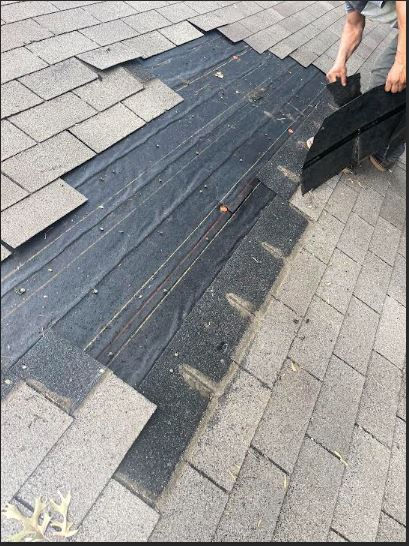
Hail can crack shingles, bruise asphalt, break tiles, and dent metal roofing.
High Wind Gusts
Wind can lift shingle edges or blow them away entirely.
Heavy Rain & Storms
Intense downpours quickly expose leaks and weak points in flashing or valleys.
Sudden Temperature Swings
Rapid expansion and contraction weaken roofing materials over time.
Because of these conditions, Texas roofs age faster than roofs in most other states—making inspections critical.
How Often Should You Schedule a Roof Inspection in Texas?
Most roofing professionals recommend two types of inspections: routine inspections and event-based inspections.
Routine Roof Inspections (Once Per Year Minimum)
The standard recommendation for Texas homeowners is:
1 full roof inspection every year
Annual inspections help identify:
Early signs of granule loss
Cracked or curled shingles
Damaged flashing
Ventilation issues
Hidden hail impacts
Small leaks before they worsen
An annual inspection is the minimum requirement for Texas roofs due to weather intensity.
Event-Based Inspections (After Major Storms)
Because storms are unpredictable and powerful, homeowners should schedule an inspection:
After any hailstorm
Even small hail can cause bruising not visible from the ground.
After high winds (40+ mph)
Wind-lifted shingles may stay attached but lose their seal.
After heavy thunderstorms
Downpours reveal leaks and penetration point weaknesses.
After falling debris hits your roof
Tree branches can puncture shingles or damage decking.
After a tornado watch / extreme weather alert
Flying debris and severe wind patterns create hidden damage.
Storm-related inspections are essential for insurance claims—especially since waiting too long may void coverage.
Special Cases Where More Frequent Inspections Are Needed
1. Roof Over 15 Years Old
Older roofs deteriorate faster and require inspections every 6 months.
2. Homes Surrounded by Large Trees
Branches, leaves, and debris increase risk of damage and clogged gutters.
3. Recent Roof Repairs
Follow-up inspections ensure work was completed correctly and remains stable.
4. Homes with Past Leak History
A roof that has leaked once is more vulnerable to future leaks.
5. Homes Located in Severe Storm Zones
Areas frequently hit by hailstorms (like North Texas) may need multiple inspections per year.
What Happens During a Professional Roof Inspection?
A quality roofing inspection includes several layers:
Exterior Roof Inspection
A roofer will examine:
Shingles or roofing panels
Flashing around chimneys, skylights, and vents
Roof valleys
Ridge caps
Eaves and drip edges
Gutters and downspouts
Pipe boots and seals
Ventilation systems
This identifies visible damage, wear, or signs of storm impact.
Attic Inspection
Inside your attic, a roofer looks for:
Damp insulation
Water stains
Mold or mildew
Visible light peeking through roofing
Structural damage
Signs of chronic leaks
Many leaks start in the attic long before they appear indoors.
Moisture Detection & Ventilation Check
Moisture is one of the biggest threats to roofing systems. Roofers may:
Use moisture meters
Inspect airflow
Check for signs of heat damage
Proper ventilation prevents attic overheating and shingle deterioration.
Detailed Report & Recommendations
After the inspection, homeowners receive:
Photos of damage
Repair recommendations
Insurance claim suggestions (if applicable)
Maintenance tips
Cost estimates
This report is valuable for both repairs and future resale.
What Happens If You Don’t Get Regular Roof Inspections?
Many roofing problems start small, but ignoring them can create expensive repairs.
Problems caused by skipping inspections include:
Leaks that spread into walls and ceilings
Mold and mildew growth
Rotted decking
Damaged insulation
Higher energy bills
Structural weakening
Premature roof failure
Denied insurance claims
One missed inspection can turn a minor repair into a full roof replacement.
Benefits of Regular Roof Inspections for Texas Homeowners
1. Prevent Expensive Repairs
Catching issues early saves money.
2. Extend Roof Lifespan
Routine checks help your roof reach its full potential life expectancy.
3. Protect Insurance Eligibility
Insurance companies expect homeowners to maintain their roofs.
4. Improved Weather Preparedness
Inspections ensure your roof is storm-ready.
5. Peace of Mind
Knowing your roof is secure helps you avoid surprise leaks and last-minute emergencies.
6. Better Home Resale Value
Documented maintenance helps buyers trust the condition of the home.
How Much Does a Roof Inspection Cost in Texas?
Many reputable roofing companies—including Ideal Exteriors—provide free roof inspections, especially after storms.
Paid inspections (typically for real estate or detailed reports) may range from $150 to $300, depending on the level of documentation required.
How to Prepare for a Roof Inspection
Here are a few simple steps homeowners can take:
Clear debris from around the home
This gives roofers better access and visibility.
Make attic space accessible
Ensure boxes or storage items aren’t blocking entry.
List any concerns beforehand
Noticing a stain on the ceiling? Tell your roofer so they can investigate.
Point out recent storm dates
Helps your contractor check for storm-specific damage.
FAQs About Roof Inspections in Texas
How long does a professional roof inspection take?
Most inspections take 30–60 minutes, depending on roof size and complexity.
Can I inspect my roof myself?
You can look for obvious damage from the ground, but climbing on the roof is unsafe and inadequate for detecting hidden problems.
Should I inspect my roof after every storm?
Not every storm, but major hail or wind events absolutely require an inspection.
Does a new roof need inspections?
Yes—storm damage can occur anytime, even on a brand-new roof.
Will an inspection show whether I need a full replacement?
Yes. The roofer will assess your roof’s condition, lifespan, and structural integrity.
Keep Your Roof Protected — Schedule a Free Inspection with Ideal Exteriors
Regular roof inspections are the best way to protect your home from leaks, storm damage, and premature aging—especially in Texas. Ideal Exteriors provides thorough, free roof inspections for homeowners in Rowlett and surrounding communities. Their experienced team checks every part of your roofing system to ensure your home stays safe and secure.
Why Homeowners Trust Ideal Exteriors
Free, no-obligation inspections
Storm damage and insurance experts
High-quality repairs and replacements
Local roofing knowledge
Honest recommendations
Fast scheduling and friendly service
Schedule Your Roof Inspection Today
Call (214) 499-1623
Don’t wait for a leak to find out there’s a problem. Get peace of mind with a professional roof checkup.


Comments