
The Most Common Roofing Problems in Texas Homes — And How to Prevent Them
%20copy.png/v1/fill/w_320,h_320/file.jpg)

Texas weather is tough on roofing systems. Between scorching heat, severe thunderstorms, hailstorms, high winds, and rapid temperature changes, roofs in Texas experience more stress than those in most states. As a result, Texas homeowners often face roofing issues earlier and more frequently than expected. Understanding the most common roofing problems can help you catch issues early, prevent costly damage, and extend the lifespan of your roof. This guide breaks down the top roofing issues in Texas and how to prevent them with smart maintenance and professional care.
Why Roofing Problems Are More Common in Texas
Texas roofs have a harder job than roofs in mild climates. Here’s why:
Extreme Heat and UV Exposure
Summer temperatures often exceed 100 degrees. UV rays break down shingles, dry out underlayment, and cause warping and cracking.
Severe Storms
Texas storms come with heavy rain, lightning, high winds, and hail—sometimes all at once. These conditions create sudden, severe damage.
Frequent Hail
North Texas is hit by more hailstorms than almost anywhere in the country. Even small hail can bruise shingles and shorten roof lifespan.
Wind Gusts
Straight-line winds can lift shingles, break seals, and damage flashing.
Rapid Temperature Swings
Texas weather can shift 30 degrees in a day, causing roofing materials to expand and contract, stressing them over time.
Humidity and Moisture
Moisture from storms and humidity contributes to mold, algae growth, and wood deterioration.
Because of these conditions, roofing problems often develop faster—making early prevention essential.
The Most Common Roofing Problems in Texas Homes
Below are the issues Texas homeowners face most often, along with what causes them and how to prevent them.
1. Missing or Damaged Shingles
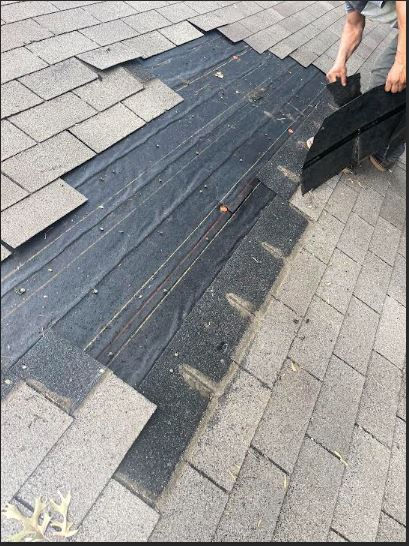
Shingles commonly break, crack, lift, or blow away during storms. Even one missing shingle can expose underlayment and lead to leaks.
Causes
High winds
Hail impact
Aging shingles
Poor installation
Prevention
Schedule annual inspections
Upgrade to architectural or impact-resistant shingles
Repair damaged shingles quickly
2. Hail Bruising and Granule Loss
Hail can bruise shingles, leaving soft spots where granules are knocked off. This weakens the roof and accelerates deterioration.
Signs of hail damage
Dark impact marks
Small craters
Granules in gutters
Soft or spongy shingle areas
Prevention
Install Class 4 impact-resistant shingles
Inspect after every hailstorm
Repair damaged areas promptly
3. Roof Leaks During Heavy Rain
Leaks are extremely common during Texas storms and often indicate hidden damage that existed long before the leak appeared.
Causes
Damaged shingles
Cracked flashing
Poor sealing around vents or chimneys
Clogged gutters
Old or dry-rotted underlayment
Prevention
Inspect flashing yearly
Maintain gutters
Repair storm damage quickly
Ensure proper attic ventilation
4. Damaged or Loose Flashing
Flashing protects the most vulnerable areas of your roof—chimneys, vents, skylights, and valleys. When flashing fails, water enters quickly.
Causes
High winds bending flashing
Poor installation
Rust or corrosion
Aging sealant
Prevention
Add flashing checks to your annual inspection
Hire experienced roofers for all installations
Replace old or cracked sealant as needed
5. Poor Ventilation Causing Heat Damage
Many Texas homes suffer from insufficient attic ventilation, which leads to overheating. A superheated attic bakes shingles from underneath and shortens lifespan dramatically.
Signs of ventilation issues
High energy bills
Peeling paint
Hot attic with little airflow
Premature shingle curling
Prevention
Improve ridge and soffit ventilation
Install attic fans if necessary
Keep insulation from blocking vents
6. Sagging or Soft Roof Decking
Water leaks and humidity can weaken roof decking. If decking becomes soft, the entire structure is at risk.
Causes
Prolonged water intrusion
Leaks left untreated
Mold or rot
Aging roof structure
Prevention
Repair leaks immediately
Inspect attic for moisture
Replace damaged decking sections
7. Clogged Gutters and Fascia Damage
Gutters clogged with leaves, granules, and debris cause water to overflow, damaging fascia boards and allowing water to seep under shingles.
Causes
Lack of gutter maintenance
Heavy storms
Nearby trees
Prevention
Clean gutters twice a year
Install gutter guards
Ensure downspouts drain away from the foundation
8. Roof Algae, Moss, and Mold Growth
Texas humidity can create algae streaks, moss patches, and mold—especially on north-facing roof slopes.
Causes
Moisture retention
Shaded areas with poor sunlight
Poor ventilation
Prevention
Install algae-resistant shingles
Improve drainage and airflow
Clean roof surfaces professionally when needed
Roof Problems Caused by Poor Installation
Not all roofing problems are weather-related. Bad installation is one of the biggest causes of early roof failure in Texas.
Common installation problems include:
Improper nailing techniques
Misaligned shingles
Incorrect flashing installation
Insufficient underlayment
Cutting corners during storm season demand
These mistakes can cause leaks, blow-offs, and premature roof replacement.
Prevention
Always hire a reputable, local roofing contractor
Check experience and references
Avoid “storm chaser” roofers who disappear after a season
How to Prevent Roofing Problems Before They Start
Proactive maintenance is the best way to prevent costly repairs.
1. Schedule Annual Roof Inspections
A professional can catch small issues before they turn into major ones.
2. Inspect After Every Major Storm
Texas thunderstorms and hail events often cause hidden damage.
3. Keep Gutters Clean
Clean gutters prevent water backup into roofing materials.
4. Trim Trees Regularly
Branches can scrape shingles or fall during storms.
5. Upgrade to Stronger Materials
Impact-resistant shingles or metal roofing offer superior durability.
6. Improve Home Ventilation
Proper airflow prevents overheating and moisture buildup.
7. Replace Old Roofing Promptly
Don’t wait for leaks to appear—old roofs fail fast under Texas conditions.
FAQs About Roofing Problems in Texas
What is the most common roofing issue in Texas?
Wind and hail damage are the most common causes of roof problems in Texas.
How often should I have my roof inspected?
At least once a year—and after major storms.
Can a small leak cause big problems?
Yes. Even tiny leaks can lead to mold, rot, and structural issues.
Does hail damage always show up immediately?
No. Many hail impacts cause delayed leaks weeks or months later.
How long do shingle roofs typically last in Texas?
15–25 years, depending on material quality and storm exposure.
Protect Your Texas Home — Call Ideal Exteriors for a Free Roof Inspection
Roofing problems happen faster in Texas, but early action can save you thousands in repairs. Ideal Exteriors provides detailed roof inspections, repairs, replacements, and storm-damage assessments to keep your home protected year-round.
Why Homeowners Trust Ideal Exteriors
Local experts familiar with Texas weather
Free inspections and honest evaluations
High-quality roofing materials
Reliable storm damage repair
Insurance claim support
Serving Rowlett and surrounding communities
Schedule Your Free Roof Evaluation Today
Call (214) 499-1623Visit: https://www.idealexteriorstexas.net/
Stop roofing problems before they start—your home deserves the best protection.


Comments