
How to Prepare Your Roof for Texas Storm Season

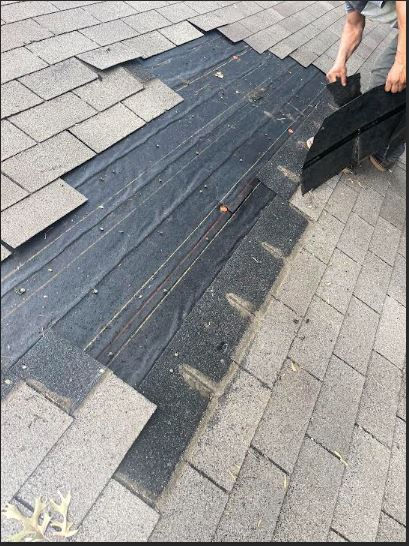
Preparing your roof for Texas storm season starts with a professional inspection, basic maintenance, clean gutters, trimmed trees, and prompt repairs to existing problems. Homeowners should pay particular attention to loose or missing shingles, flashing, roof penetrations, drainage, and signs of previous leaks. Taking care of small problems before severe weather arrives can reduce the chance that wind, hail, and heavy rain turn them into expensive emergencies.
For homeowners in Rowlett and surrounding North Texas communities, storm preparation isn't about making a roof indestructible. No contractor can guarantee that a roof will survive every hailstorm or extreme weather event without damage. The goal is to put your roofing system in the best possible condition before severe weather arrives—and to know what to do afterward.
Why Texas Storm Season Is Hard on Residential Roofs
North Texas weather can change quickly. A roof may spend days exposed to intense sunlight and high temperatures before suddenly facing strong winds, heavy rainfall, and hail.
Each type of weather stresses a roofing system differently.
Hail Can Damage Roofing Materials
Hail can displace granules on asphalt shingles, crack or damage roofing materials, dent metal components, and affect gutters or vents.
Damage is not always visible from the ground. That's why a post-storm inspection can be useful after significant hail affects your immediate area.
Wind Can Lift or Remove Shingles
Strong winds don't need to remove an entire shingle to create a problem.
Wind can lift shingle edges, weaken seals, damage ridge areas, loosen flashing, and affect other vulnerable components. Once a roofing material is compromised, wind-driven rain may find a path beneath the exterior surface.
Heavy Rain Exposes Existing Weaknesses
Rain often reveals problems that were already developing.
A deteriorated pipe boot, damaged flashing, loose shingle, or poorly sealed penetration may remain unnoticed during dry weather. A powerful North Texas thunderstorm can expose that weakness quickly.
Heat Contributes to Long-Term Wear
Storm preparation should also account for the months of Texas sun that precede severe weather.
Heat and UV exposure can age roofing materials and sealants. An older roof may therefore enter storm season with less resistance than a newer, well-maintained system.
1. Schedule a Roof Inspection Before Severe Weather
One of the most useful things a Rowlett homeowner can do is have the roof inspected before major problems develop.
A professional inspection can identify issues such as:
Missing shingles
Loose roofing materials
Cracked or deteriorated shingles
Damaged flashing
Worn pipe boots
Problems around vents
Loose ridge materials
Gutter problems
Signs of previous water intrusion
Visible decking concerns
The purpose of a preventive inspection isn't to sell you a new roof. It is to identify vulnerabilities while there is still time to address them.
If your roof is in good condition, you should know that too.
2. Repair Existing Roof Problems Before the Next Storm
A small roofing problem today can become a much larger problem once severe weather arrives.
Suppose one shingle has already lifted. Strong wind may worsen the opening.
If flashing around a penetration has deteriorated, wind-driven rain may exploit that weak point.
If you already have an occasional ceiling stain, another heavy storm could introduce substantially more water.
Before storm season, address known problems such as:
Small leaks
Loose shingles
Damaged flashing
Missing roofing materials
Deteriorated seals
Damaged vents
Loose gutters
Preventive repairs are often less disruptive than emergency repairs after water has entered the home.
3. Clean and Inspect Your Gutters
Gutters are an important part of your home's water-management system.
During heavy rainfall, your roof collects a substantial amount of water. Gutters and downspouts are designed to move that water away from the roofline and foundation.
Leaves, branches, roofing granules, and other debris can restrict drainage.
Before storm season:
Remove debris from gutters
Check downspouts for blockages
Look for loose gutter sections
Check for sagging
Confirm downspouts discharge appropriately
Look for signs of previous overflow
Never attempt gutter work from an unsafe ladder position. Hire a professional if the system is difficult to reach safely.
Ideal Exteriors also provides gutter services, making this a natural opportunity to evaluate the roof and drainage system together.
4. Trim Trees and Remove Dangerous Branches
Trees add shade and curb appeal, but overhanging or unhealthy branches can become hazards during severe weather.
High winds can cause limbs to:
Scrape roofing materials
Break shingles
Damage gutters
Puncture the roof
Fall onto patios or pergolas
Damage siding
Look for dead branches, limbs hanging directly over the house, and trees that appear unstable.
Large-tree maintenance should be handled by qualified professionals. Cutting a heavy branch above your roof without the proper equipment can cause the exact damage you're trying to prevent.
5. Check Flashing and Roof Penetrations
Some of the most vulnerable parts of a roofing system are places where the roof changes direction or another component passes through it.
These areas may include:
Plumbing vents
Exhaust vents
Chimneys
Skylights
Valleys
Wall-to-roof intersections
Flashing helps direct water away from these vulnerable locations.
If flashing is loose, bent, corroded, or improperly sealed, heavy rain may create a leak.
These components deserve special attention during a pre-storm inspection.
6. Look Inside Your Attic Before Storm Season
Your attic can reveal roof problems that aren't obvious from outside.
During daylight and when conditions are safe, look for:
Water stains
Damp insulation
Darkened decking
Musty odors
Visible moisture
Signs of previous leaks
Do not touch exposed wiring or enter areas that are unsafe to access.
If you already see evidence of moisture before the next major storm, schedule an evaluation rather than waiting for the problem to worsen.
7. Make Sure Your Roof Has Proper Ventilation
Ventilation isn't usually the first thing homeowners associate with storm preparation, but it contributes to the long-term health of the roofing system.
Proper attic ventilation helps manage heat and moisture.
Poor ventilation can contribute to:
Excessive attic temperatures
Moisture accumulation
Premature deterioration of some roofing components
Higher cooling demands
Condensation problems
Texas homes endure long periods of intense heat, so ventilation should be considered part of overall roof maintenance—not simply a winter concern.
8. Know the Age and Condition of Your Roof
Knowing approximately when your roof was installed can help you make better maintenance decisions.
You may be able to determine roof age through:
Home purchase documents
Previous invoices
Permit records
Seller disclosures
Contractor records
Age alone doesn't determine whether a roof needs replacement.
A newer roof can sustain storm damage, while an older roof may remain serviceable if it has been properly installed and maintained.
However, aging materials deserve closer monitoring before severe weather.
9. Consider Impact-Resistant Materials When Replacement Is Already Needed
If your roof is currently healthy, storm season isn't a reason to replace it unnecessarily.
However, if you're already planning a replacement because the roof is damaged or near the end of its useful life, ask your contractor about materials designed for greater impact resistance.
Options may include certain impact-resistant asphalt shingles as well as other roofing systems appropriate for the home.
No material should be marketed as completely hail-proof. Severe weather can damage virtually any exterior building material under the right conditions.
The objective is to select a roofing system appropriate for your home, budget, and North Texas climate.
10. Photograph Your Home Before Major Storms
A simple smartphone can help you maintain useful property records.
Periodically photograph:
Roof areas visible from the ground
Gutters
Siding
Windows
Garage doors
Patio structures
Exterior elevations
You don't need to climb onto the roof.
These photos can help you remember the condition of your property before a storm and identify obvious changes afterward.
11. Review Your Homeowners Insurance Policy
Don't wait until your roof is damaged to learn how your policy works.
Before storm season, review important provisions such as:
Wind and hail coverage
Deductible amount
Roof-related exclusions
Claim reporting requirements
Replacement cost or actual cash value provisions
Coverage varies by carrier and policy.
A roofing contractor can document physical roof conditions, but your insurance company determines whether damage is covered and what the policy pays.
Knowing your coverage beforehand can make an already stressful situation easier to navigate.
12. Have a Plan for Emergency Roof Damage
Even a well-maintained roof can sustain damage during extreme weather.
Know what you will do if water suddenly begins entering your home.
First, prioritize personal safety. Do not go onto the roof during a storm.
When safe:
Move valuables away from leaking areas
Place containers beneath drips
Document visible interior damage
Stay away from water near electrical components
Contact a roofing professional
Contact your insurer when appropriate
Temporary roof protection may sometimes be necessary until permanent repairs can be completed.
What Should You Do After a Major Texas Storm?
Once the storm passes, inspect your property from the ground.
Look for:
Shingles in the yard
Missing roofing materials
Dented gutters
Damaged siding
Fallen branches
Loose exterior components
Water stains indoors
Excess roofing granules near downspouts
Don't assume that every storm caused roof damage. Likewise, don't assume that everything is fine simply because the roof looks normal from your driveway.
After significant hail or wind, a professional inspection can provide a clearer picture.
What Should You Never Do After a Storm?
Avoid decisions that can put your safety, home, or finances at unnecessary risk.
Don't Climb Onto a Wet Roof
Wet roofing materials can be extremely slippery. Storm damage may also create unstable areas.
Don't Ignore a Leak
A small water stain deserves attention. Water can travel through the roofing system before becoming visible inside.
Don't Automatically Assume You Need Replacement
Storm exposure does not equal automatic roof replacement.
Don't Sign a Contract Under Pressure
Take time to understand what work is being proposed, why it is necessary, and what it will cost.
Working with an established local contractor can make it easier to obtain follow-up service after the storm season ends.
Texas Storm Preparation Checklist for Homeowners
Before severe weather arrives, use this checklist:
Schedule a roof inspection
Repair known roof problems
Clean gutters and downspouts
Trim dangerous branches
Inspect visible flashing and penetrations
Check the attic for moisture
Know your roof's approximate age
Review your homeowners insurance policy
Photograph exterior conditions
Keep your roofer's contact information available
Completing these steps won't guarantee a damage-free storm season, but it can eliminate preventable vulnerabilities and help you respond faster if damage occurs.
FAQs About Preparing a Roof for Texas Storm Season
How often should I have my roof inspected in Texas?
An annual inspection is a useful maintenance practice for many homeowners. You should also consider an inspection after significant hail, high winds, or whenever you notice leaks or visible exterior damage.
Should I replace my roof before storm season?
Not simply because storm season is approaching. Replacement should be based on the roof's condition, age, damage, and ability to continue protecting the home. A healthy roof does not need replacement merely because severe weather is possible.
Can I inspect my own roof?
You can perform a useful ground-level inspection and check accessible interior areas. Avoid climbing onto the roof. A professional can safely inspect areas that aren't visible from the ground.
Do clean gutters really help protect a roof?
Yes. Gutters help move rainwater away from the roof edge and home. Blocked or damaged gutters can contribute to drainage problems and water overflow.
What roofing material is best for Texas storms?
There isn't one material that is perfect for every property. Architectural shingles, impact-resistant shingles, metal roofing, and other systems can all be appropriate depending on the home, budget, roof design, and priorities.
Prepare Your Rowlett Home Before the Next Storm
Storm preparation is much easier before thunder, wind, and hail arrive.
Ideal Exteriors has served homeowners since 2016 and provides roofing inspections, roof repairs, replacements, storm-damage services, gutters, and other exterior improvements throughout Rowlett and surrounding North Texas communities.
If you haven't had your roof evaluated recently—or you've already noticed missing shingles, leaks, gutter problems, or other concerns—addressing those issues before the next severe storm can help protect the rest of your home.
Call Ideal Exteriors at (214) 499-1623 to discuss your roofing needs.
Ideal Exteriors serves Rowlett and surrounding communities, helping Texas homeowners keep their roofing and exterior systems prepared for whatever North Texas weather brings next.


Comments