
Signs You Need Roof Repair After a Texas Storm
%20copy.png/v1/fill/w_320,h_320/file.jpg)
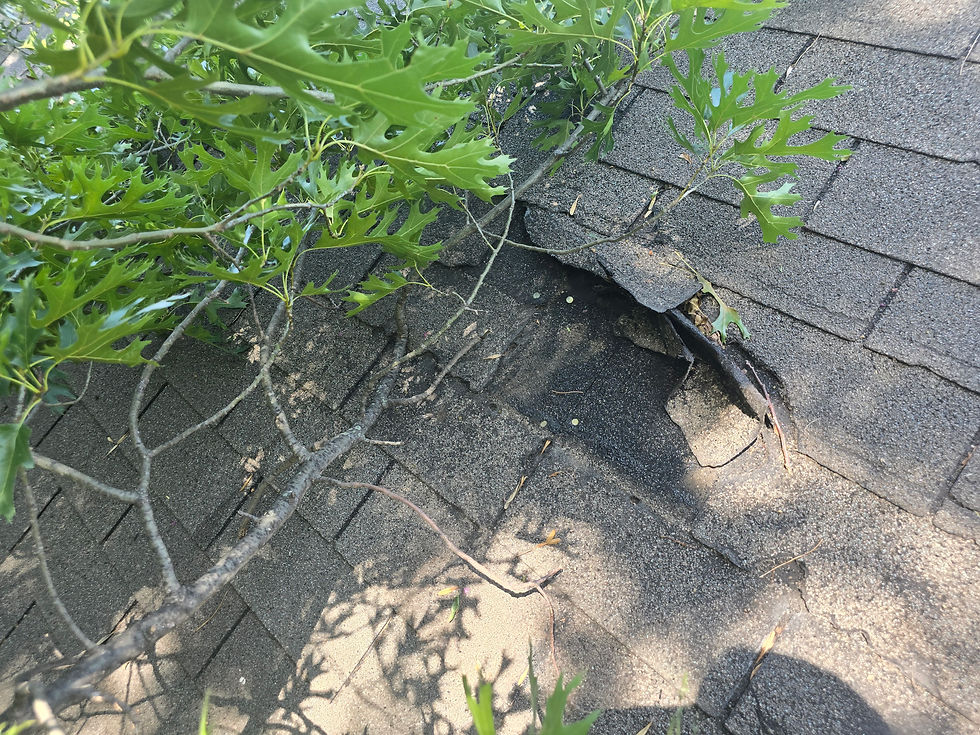
Texas storms bring a dangerous mix of high winds, hail, heavy rain, and flying debris, all of which can wreak havoc on your roof. Even if your home looks fine from the ground, hidden roof damage is extremely common after severe weather. If left unaddressed, minor storm damage can lead to leaks, wood rot, mold, and expensive long-term repairs. In this guide, you'll learn the most important signs that your roof needs repair after a Texas storm and what steps to take to protect your home.
Why Texas Storms Cause Serious Roof Damage
Texas weather patterns are unpredictable and often more intense than in other regions. Roofing systems here face unique challenges:
Hailstorms
Texas leads the nation in hail damage. Even small hail can bruise shingles, weaken granules, and expose the roof to water intrusion.
High Winds
Wind gusts during storms often exceed 60–80 mph, causing shingles to lift, crease, or blow off entirely.
Heavy Rainfall
Strong downpours can quickly expose weaknesses in flashing, underlayment, or old roofing systems.
Flying Debris
Branches, tree limbs, and airborne debris can puncture shingles or damage gutters and ventilation systems.
Even if your roof isn’t visibly missing shingles, storm damage may still be present—sometimes in places you can’t see without a professional inspection.
The Most Common Signs of Storm Damage on a Roof
Below are the key warning signs that your roof may need repair after a storm. If you notice any of these issues, it’s important to call a roofing professional as soon as possible.
1. Missing, Lifted, or Displaced Shingles
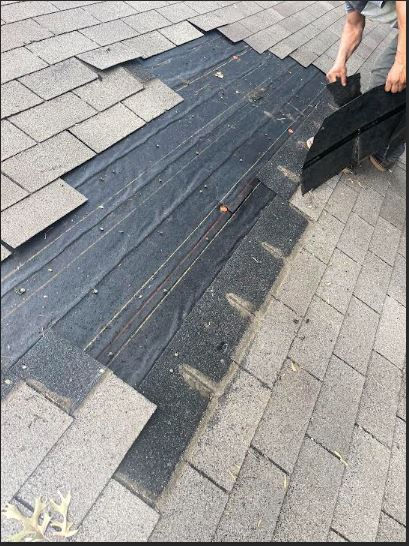
High winds can loosen shingles or rip them off entirely. Even one missing shingle can lead to water infiltration.
How to spot it:
Gaps in your roof surface
Shingles lying in the yard
Visible lifted or curling shingles
Lifted shingles may look intact from the ground, but the seal underneath could be broken, allowing wind-driven rain to seep in.
2. Granule Loss and Bald Spots
Hail and heavy rainfall can knock granules off asphalt shingles. Granules protect your shingles from UV radiation and water damage.
Warning signs include:
Dark patches on shingles
Bald spots
Excess granules in downspouts or gutters
If granules are missing, your shingles age much faster and become vulnerable to leaks.
3. Dented Gutters, Vents, or Flashing
Even if your shingles look fine, dents in your metal components are a strong indicator of hail impact. When softer metal dents, shingles likely suffered damage as well.
Inspect areas such as:
Roof vents
Flashing
Gutters
Downspouts
These dents serve as clear evidence for insurance claims too.
4. Bruised or Cracked Shingles
Hail can bruise shingles, creating soft spots that eventually lead to leaks.
Signs of bruising include:
Soft depressions
Cracked or broken tabs
Dark circular impact marks
Many homeowners miss this type of damage because it requires physical inspection and is not visible from the ground.
5. Roof Leaks or Water Stains Indoors
A leak is one of the most obvious—and urgent—signs of storm damage.
Look for:
Water stains on ceilings
Dripping water during or after rain
Damp walls or peeling paint
A small leak can quickly escalate to interior flooding or mold growth. Immediate repair is essential.
6. Sagging Roof Areas
If parts of your roof appear sunken or uneven, this may signal structural damage or prolonged water intrusion. Storms can weaken roof decking, causing dangerous sagging.
This is an emergency condition and requires professional attention immediately.
7. Damaged Flashing Around Openings
Flashing protects the most vulnerable areas of your roof, including chimneys, skylights, and vents. Storms can loosen or tear flashing, leading to leaks.
Signs of flashing damage:
Bent or lifted edges
Missing metal pieces
Caulking that has cracked or separated
8. Clogged or Damaged Gutters
Storm debris can block gutter flow or damage the system. When gutters fail, water splashes back onto the roof and foundation.
You may notice:
Overflowing gutters
Loose or detached sections
Downspouts pulling away from siding
Damaged gutters often accompany shingle and fascia damage.
9. Attic Moisture or Mold Smell
Water intrusion often starts in the attic long before you notice it indoors. After a storm, inspect your attic for:
Damp insulation
Water droplets or visible moisture
Musty or moldy odors
Moisture in the attic almost always means your roof was compromised.
Types of Storm Damage You Should Never Ignore
Not all damage is obvious, but ignoring these issues can lead to major structural problems:
Hail bruising
Compromises shingle integrity and accelerates roof failure.
Wind uplift
Breaks shingle seals and causes hidden leaks.
Water damage
Leads to rot, mold, and weakened decking.
Punctures from debris
Often require immediate repairs or full section replacement.
If you see ANY unusual signs after a storm, call a professional.
What to Do After a Storm Damages Your Roof
Taking the right steps quickly can protect your home and simplify the insurance process.
Step 1: Inspect Your Home from the Ground
Walk around the property and photograph any visible damage, such as missing shingles or fallen debris.
Step 2: Check Your Attic
Look for damp insulation, stained rafters, or signs of daylight coming through the roof.
Step 3: Contact a Professional Roofing Contractor
A trained roofer should conduct a full inspection, including areas you cannot safely reach. They can also determine whether the damage is severe enough to justify an insurance claim.
Step 4: Notify Your Insurance Company (If Applicable)
If storm damage is confirmed:
Start your claim immediately
Provide photos and contractor findings
Schedule the adjuster meeting
Contractors often meet your adjuster to ensure all damage is documented.
Step 5: Schedule Repairs Quickly
Texas storms are frequent. Delaying repairs increases the risk of further damage during the next weather event.
How Ideal Exteriors Helps After a Texas Storm
Ideal Exteriors specializes in storm damage inspections, insurance claim support, and fast roof repairs. Here’s what homeowners can expect:
• Free storm damage inspections
Detailed assessment of shingles, flashing, decking, vents, and gutters.
• Honest recommendations
If repairs are enough, they’ll tell you. If a replacement is required, you’ll understand why.
• Insurance claim assistance
They help document damage and meet with your adjuster.
• Fast, high-quality repairs
Repairs are completed promptly to prevent further water intrusion.
• Service across Rowlett and surrounding areas
Including Garland, Rockwall, Sachse, Wylie, Mesquite, and more.
FAQs About Storm Damage Roof Repair in Texas
How soon after a storm should I inspect my roof?
Immediately. Hidden damage can worsen quickly.
Can minor hail damage really cause leaks?
Yes. Even small bruises weaken shingles, leading to moisture intrusion.
Should I repair or replace the roof?
A professional inspection will determine the best option based on damage severity and age of the roof.
Does insurance cover storm-related roof repairs?
Most policies cover wind and hail damage. You will still be responsible for your deductible.
How long does storm repair take?
Most repairs can be completed within one day. Replacements may take 1–3 days depending on size and materials.
Protect Your Home After a Storm — Call Ideal Exteriors
Your roof is your home’s first line of defense. If you suspect storm damage, don’t wait for leaks or costly repairs to appear. Ideal Exteriors provides fast, reliable, and professional storm repair services designed to protect your home.
Get Your Free Storm Damage Inspection
Call (214) 499-1623Visit: https://www.idealexteriorstexas.net/
Stay protected. Stay prepared. And let professionals keep your roof strong year-round.


Comments