
How Long Do Roofs Last in Texas? Lifespan by Material Explained
%20copy.png/v1/fill/w_320,h_320/file.jpg)

If you live in Texas, your roof goes through far more stress than roofs in most other states. Extreme heat, UV exposure, high winds, hailstorms, and rapid temperature swings all take a toll on roofing materials. As a result, roof lifespan in Texas is often shorter than the national average. Whether you have asphalt shingles, metal, tile, or a flat roofing system, understanding how long each type lasts can help you plan repairs, replacements, and budgeting. This guide breaks down the real-world lifespan of Texas roofing materials—plus the warning signs that your roof may be nearing the end.
Why Roofing Materials Age Faster in Texas
Before reviewing lifespans, it’s important to know why Texas roofs deteriorate faster. Homeowners here face extreme conditions that speed up wear and tear.
Intense Heat and Sun Exposure
Texas summers regularly hit 100+ degrees. UV rays weaken asphalt, fade shingles, and accelerate granule loss.
Frequent Hailstorms
Hail damage can instantly shorten the lifespan of a roof—even if the impact damage isn’t obvious from the ground.
High Winds and Storm Activity
Wind gusts can loosen shingles, lift edges, and cause leaks.
Heavy Rains
Downpours reveal any weak points in flashing, underlayment, or older materials.
Rapid Temperature Changes
Texas can swing from hot to cold quickly, causing expansion and contraction that stresses roofing materials.
Because of these factors, a roof that might last 25–30 years in another state may last significantly less in Texas.
Roof Lifespan by Material in Texas
Below is a realistic breakdown of how long each roofing material lasts specifically in Texas weather conditions.
1. 3-Tab Asphalt Shingles (12–18 Years)
3-tab shingles are the most basic roofing material and also the least durable in storm-heavy regions.
Advantages
Lowest cost
Widely available
Simple installation
Downsides in Texas
Minimal wind resistance
Prone to hail bruising
Granules wear off quickly in high heat
Short lifespan compared to other materials
Realistic lifespan in Texas:12–18 years, depending on storm exposure and maintenance.
2. Architectural Asphalt Shingles (18–25 Years)
Architectural shingles are thicker, more durable, and hold up significantly better than 3-tab shingles.
Advantages
Better wind resistance
Improved impact durability
Longer manufacturer warranties
Better curb appeal
Downsides in Texas
Still vulnerable to large hail
Can degrade quickly under intense UV
Realistic lifespan in Texas:18–25 years, sometimes longer with proper care and mild weather.
3. Impact-Resistant Shingles (25–35 Years)
Impact-resistant (Class 4) shingles are engineered to withstand hail and storms much better than traditional shingles.
Advantages
Highest durability among asphalt shingles
May qualify for insurance discounts
Better long-term value
Downsides
Higher initial cost
Not all brands perform equally
Realistic lifespan in Texas:25–35 years, depending on storm intensity over time.
4. Metal Roofing (40–70+ Years)
Metal roofing is one of the longest-lasting roofing systems available.
Advantages
Incredible heat resistance
Excellent wind resistance
Very low maintenance
Energy-efficient in hot climates
Less prone to hail damage
Downsides
Higher upfront investment
Cosmetic denting possible
Realistic lifespan in Texas:40–70+ years, and often longer with proper coatings.
5. Tile Roofing (50–100+ Years)
Clay and concrete tile roofs are among the most durable roofing systems in the world.
Advantages
Outstanding longevity
Excellent heat and UV resistance
Fire-resistant
Beautiful aesthetics
Downsides
Very heavy — may require reinforcement
Higher material and installation cost
Tiles can break during severe hail
Realistic lifespan in Texas:50–100+ years, making it the longest-lasting material.
6. Flat Roofing Systems (15–30 Years)
Materials like TPO, PVC, and modified bitumen are common on patios, additions, and low-slope areas.
Advantages
Affordable for flat sections
Good UV protection
Durable seam welding
Downsides
Requires professional installation
Standing water can reduce lifespan
Realistic lifespan in Texas:15–30 years, depending on material and installation quality.
Factors That Can Shorten Your Roof’s Lifespan in Texas
Even the strongest roofing materials won’t reach their full lifespan if certain issues occur.
1. Poor Installation
A roof is only as good as the contractor who installs it. Incorrect flashing, improper nailing, or shortcuts can reduce lifespan dramatically.
2. Lack of Maintenance
Texas homeowners should schedule annual inspections to detect hidden problems.
3. Storm Damage
Even small storms can cause creasing, granule loss, or dents.
4. Inadequate Ventilation
Hot attic temperatures can “bake” shingles from underneath.
5. Old or Damaged Underlayment
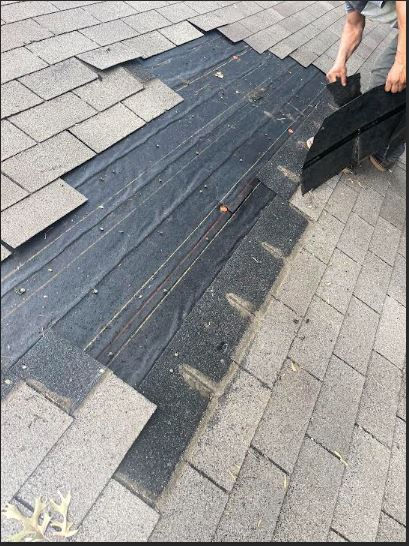
Underlayment is a crucial moisture barrier; if it deteriorates, leaks become far more likely.
How to Know When Your Roof Is Nearing the End of Its Lifespan
Here are common signs your roof may be failing:
• Curling or lifting shingles
Shingles at the end of their life become brittle and curl upward.
• Widespread granule loss
Bald patches signal weakened shingles.
• Frequent leaks
Even small leaks often indicate deeper issues.
• Sagging decking
Structural issues typically mean replacement is needed.
• Repeated repairs
If you’re calling a roofer often, a replacement is usually more cost-effective.
• Visible cracks or bruises
Especially common after hailstorms.
If your roof shows any of these signs, it may be time to plan for repair or replacement.
How to Extend the Lifespan of Your Roof in Texas
Proper maintenance can add years of protection to your roof.
Schedule Annual Inspections
Catch small issues before they become major repairs.
Address Storm Damage Quickly
Texas storms strike often; delays increase the risk of leaks and structural issues.
Improve Attic Ventilation
Lower attic temperatures reduce shingle deterioration.
Keep Gutters Clear
Water backup can damage fascia and create leaks.
Trim Overhanging Trees
Branches break easily during storms and can damage shingles.
Upgrade Materials
Impact-resistant shingles or metal roofing significantly extend lifespan.
FAQs About Roof Lifespan in Texas
How often should a Texas homeowner replace a roof?
Most asphalt roofs need replacement every 15–25 years, depending on quality.
Do Texas roofs wear out faster?
Yes. Heat and hail significantly reduce lifespan.
How do I check my roof’s age?
Review home records or inspection reports, or ask a roofing contractor to estimate based on wear.
Does insurance cover aging roofs?
No—insurance only covers storm-related damage, not normal aging.
What’s the longest-lasting roof type?
Tile and metal roofing offer the best longevity in Texas.
Is Your Roof Nearing the End of Its Lifespan? Call Ideal Exteriors
Understanding how long your roof should last helps you protect your home, avoid major repair bills, and plan replacements responsibly. If you’re unsure about your roof’s current condition, Ideal Exteriors offers free inspections to help you determine the best path forward.
Why Homeowners Choose Ideal Exteriors
Local, trusted roofing experts
Specialists in shingle, metal, tile, and flat roofing
Storm damage and insurance claim support
Honest evaluations and fast repairs
Serving Rowlett and surrounding communities
Schedule Your Free Roof Inspection Today
Call (214) 499-1623Visit: https://www.idealexteriorstexas.net/
Protect your home with a roof built to withstand Texas weather year after year.


Comments